
 1
Introduction
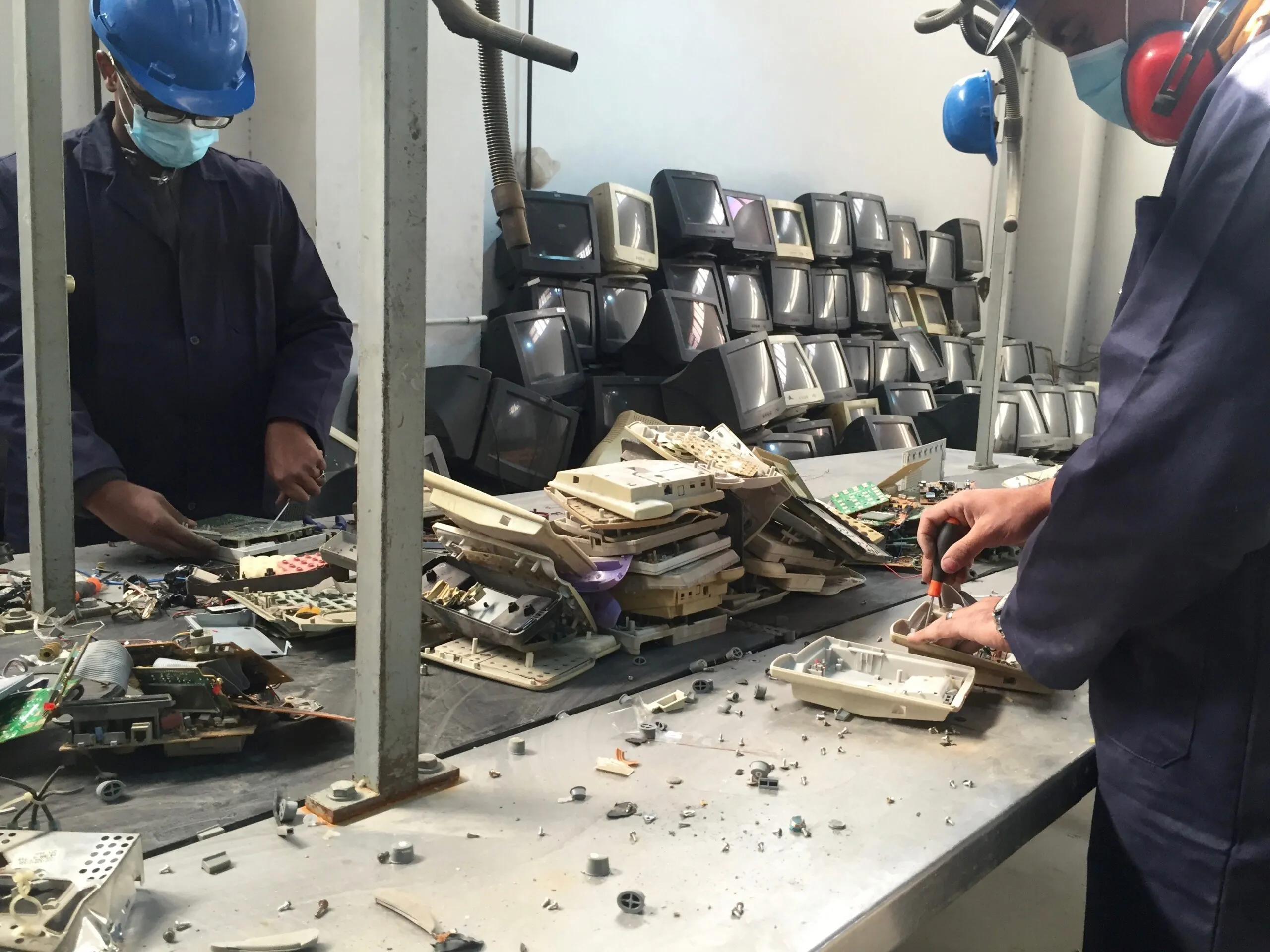
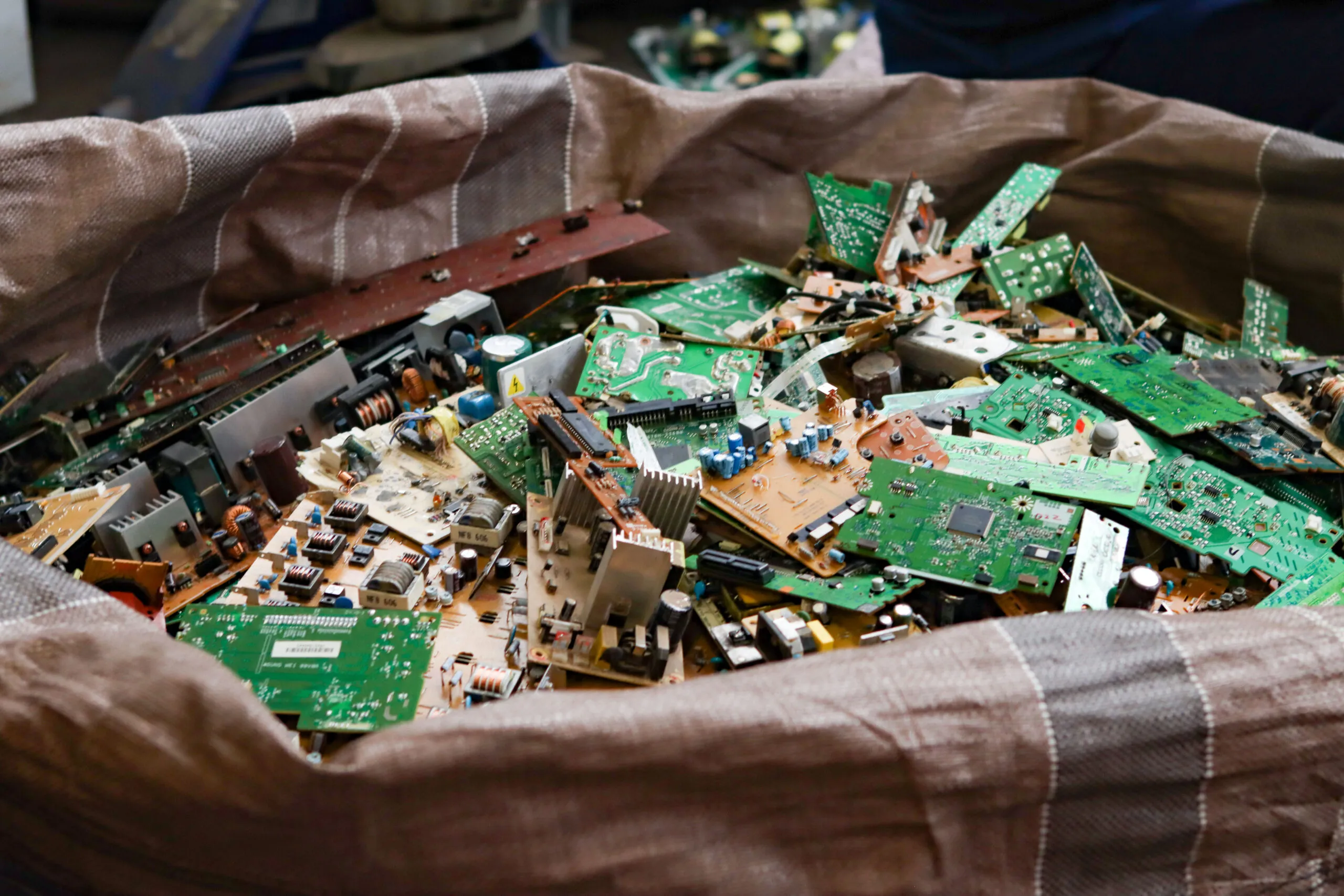
Waste electric and electronic equipment (WEEE or e-waste) covers any electrical or electronic equipment that requires an electric current, a battery, or solar energy to…
Read chapter 2
Legal, Administrative and Institutional Framework for E-Waste Management in Egypt
The legal and institutional framework for e-waste management typically comprises national laws, regulations, and designated authorities responsible for overseeing the…
Read chapter 3
Key Players, Systems, and Infrastructures for E-Waste Management in Egypt
Key stakeholders, roles, and responsibilities in the Egyptian e-waste management system are diversified. The reverse supply chain of e-waste management includes a range…
Read chapter 4
E-Waste Statistics for Egypt
E-waste data and statistics matter because they provide critical insights into the environmental, economic, and social impacts of discarded electronic devices. Accurate…
Read chapter 5
Outlook: Recommendations for E-Waste Management in Egypt
Managing e-waste is a critical issue globally, including in Egypt. Effective management of e-waste requires a comprehensive framework that encompasses various aspects…
Read chapter 6
List of Publications on E-waste Management in Egypt
Read chapter 7
Egypt Basel Convention – Focal Point Contacts and Document Templates
Role(s): Basel Convention Focal point (FP)
Read chapter 8
E-Waste Datasets
There are many types of Electronic and Electrical Equipment (EEE) put on the Market (POM), necessitating sensible and practical categorization. Various classifications…
Read chapter 9
Further information about EEE – precious metals, hazardous materials
The classification of equipment based on precious metals content involves categorizing various types of electronic devices according to the presence and concentration of…
Read chapter